

AYKUNNU PANDAVAGIRI GODDESS TEMPLE.
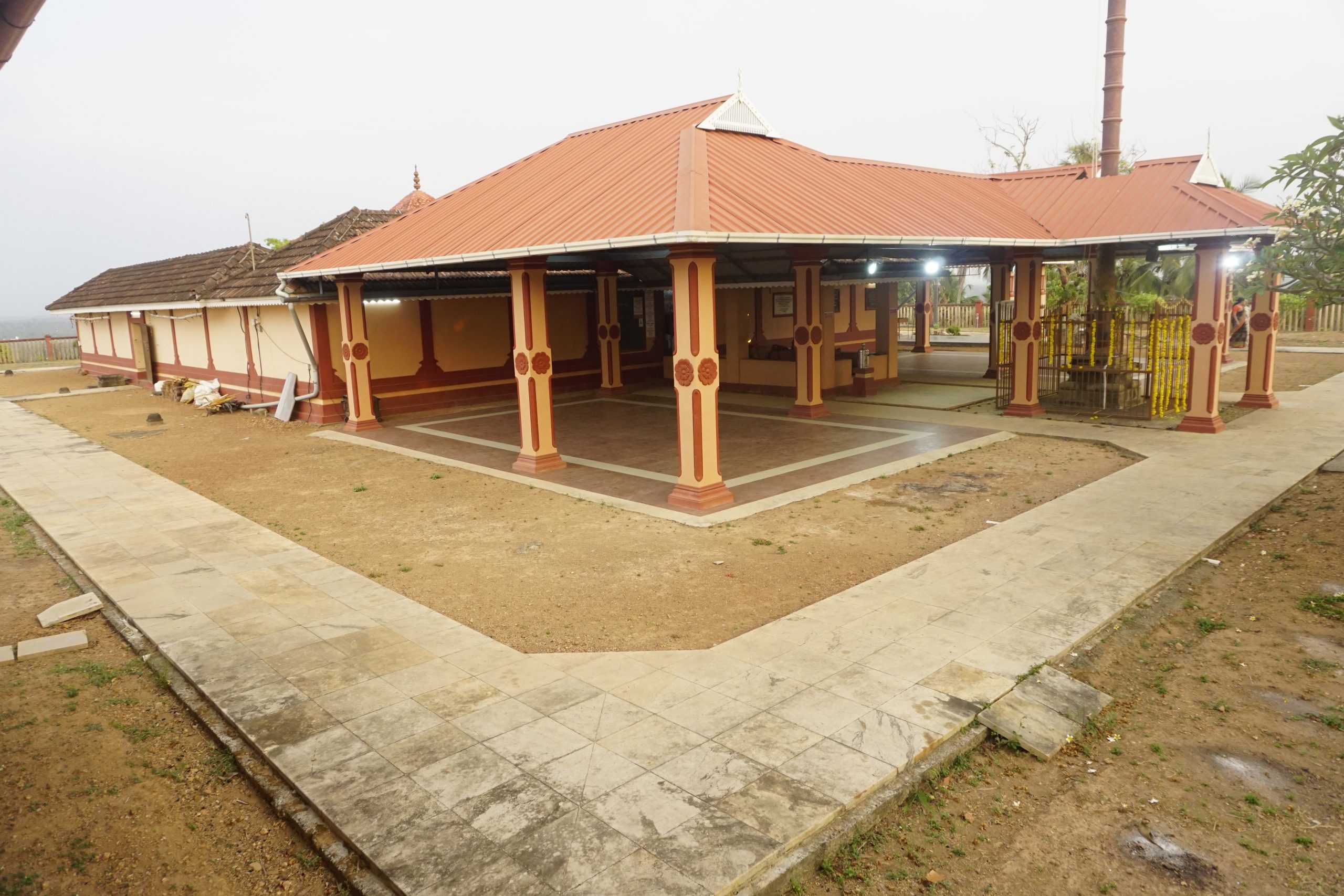
The Aikunnu Pandavagiri Devi Temple is located in the tranquil village of Venginissery, in the Paralam Panchayat of Thrissur District. It is one of the renowned 108 Durgalayas. The temple, devoted to the primary goddess Durga Devi, is highly respected for its deep spiritual importance and attracts worshippers in search of comfort and heavenly favours. The presence of the sub-deity, Dharamshasta, accentuates the reverence of Durga Devi and further increases the holiness of the temple. In 1988, the AshtamangalyaPrashna, led by the esteemed astrologer Kaimuk Parameswaran Namboothiripad, unveiled and vividly described the origins of ‘Devisannidhi’ during the Tretayuga and recounted the sacred ‘Pandavatapassa’ that took place here in the Dwaparayuga.According to the ‘Prashnikars’, the term Ayakunnu comes from the five hills the Pandavas originally lived on. By excavating down caverns and engaging in rigorous penance, these pious ascetics purified the hill area and turned Ayakunnu into a site of great spiritual relevance. The presence and influence of monks are vital for the Goddess, who likes both art and penance.
During their 12-year exile, the Pandavas, accompanied by Draupadi, sought refuge in this sacred hill region, where they practiced intense penance. It is said that Draupadi, with a heart full of devotion, prayed ardently to the goddess, seeking success for her husbands, prosperity, and happiness in her married life. Moved by Draupadi’s passionate plea, the goddess bestowed blessings upon her, ensuring the fulfilment of her deepest desires. Rooted in this belief, devotees perform the ‘Swayamvarapushpanjali’ ritual to ‘Aikunnilamma’, seeking her divine blessings for success in marriage and fulfilment in life, just as Draupadi did during her time of need. The Prashnikar revealed that Goddess Annapurneswari’s ear ornaments are uniquely made of iron, despite being adorned with ritual ornaments. This detail, according to the Astrologers, signifies the Rudrabhava, or fierce nature, of the goddess. The old people believe that Aikkunnu Devi holds the revered position of Grama devatha in Peruvanam. Before performing a ‘Yaga’, the Brahmins of Peruvanam village would gather to chant in front of the revered goddess, invoking her blessings and guidance for the ritual. The unbreakable bond between Cherpu Bhagavathy and Aikkunnu Devi is vividly displayed during the Peruvanam Pooram and the Aarattu ceremonies, linked with the Aratupuzha Pooram. The Pooram and Aarattu of Aikkunnu Amma are celebrated alongside Cherpu Bhagavathy, the esteemed host of Peruvanam Pooram.
The grandeur and magnificence of the Peruvanam Pooram were brought to life by the dedicated efforts and the competitive spirit of the Namboothiri families, the esteemed ‘uranmakkars’ (familes responsible for the proper running of the temple affairs) of ‘UrakathammaThiruvadi’ and ‘CherpBhagavathy.’Their intense dedication, however, intensified to the point where it led to a rivalry, causing them to obstruct each other’s processions of the deities in the eastern and western pathways of the Peruvanam Temple. Though this story may have been passed down by the elders without any authoritative records to back it up, it still holds value. In the context of the Peruvanam Pooram, where traditions and beliefs are deeply rooted in the beliefs and oral histories of the past, it’s worth mentioning here a tale from the past. One year, as UrakathammaThiruvadi’s Pooram prepared to start at Peruvanam Nadavzhi, it was allegedly blocked by the Cherpu locals, led by the Chittoor Mana. In response, the following year, to ensure the smooth conduct of their Pooram, the Poomulli Mana, the ‘Uranma’ of Urakam Temple, joined forces with the Desamangalam Mana’s ‘Uranma’ from Chathakkudam Shasta Temple and successfully organized the Pooram alongside UrakathammaThiruvadi. As Cherpu Bhagavathy enters Peruvanam Temple and the melam is about to begin, a call rings out, “Are there any ‘irakkakkar’ (descenders)?” It is at this moment that Aikkunnamma, joined by Devi, steps forward to participate in the grand procession. The ‘uranmakkars’ of both Cherp Bhagavathy and Aikkunnu Devi temples were the Chittoor Mana. While these stories may have different interpretations, the unbreakable bond between these two deities prevails. Even today, on the day of Atham when the Pooram flag is lowered, Aikkunnu Devi visits Cherpu Bhagavathy Temple to receive the offerings from devotees before returning—a tradition that continues with deep reverence.
In the village of Peruvanam, alongside the Urakam Temple, there stands another temple with a ‘dhwajastambham’ covered with copper coverings —the AikkunnuPandavagiri Temple. Here, the sub-deity, Lord Shasta, though weathered by rain and sun, is known to be quick to anger but equally swift to bestow his blessings.
After the extensive reconstruction, which costKombupattu, Kuzhalpattu, nearly 30 lakh rupees, the Sahasrakalasha ceremony was led by the temple’s revered Tantri, VadakkedathPerumpadappil Kesavan Namboothiri. The temple is managed by a 17-member governing committee, composed of local residents, operating under the full oversight of the Hind NavodhanaPratishthan. The temple’s annual rituals and celebrations are deeply rooted in tradition. These include the Maha Ganapathi Homam and Illamnira in the month of Karkidakam, Thriputhari in Chingam, ThiruvonamAarattu in Thulam, Karthika in Vrischikam, Pushpabhishekam for Dharmashasta on Vrischikam 1, Kalabhishekam for Devi during the Mandala season, Vasoordhara and Navakabhishekam for Shasta on Makaram 1, the MakiramPurappadu and Aarattu in connection with Arattupuzha Pooram in Meenam, the daily Sribhutabali, UthramVilakku, and the Prathishta Day on the Pooyam star in the month of Medam.
During the Karthika festival in the month of Vrischikam, every devotee who visits the Devi Sannidhi offers one-half of a coconut for abundance in food and a coin for prosperity as a token of the Goddess’s blessings. On this auspicious occasion, the entire region comes together to light the Karthika Deepasthambham at the eastern entrance, symbolizing the pursuit of wisdom and enlightenment.