


History of Peruvanam
The history of Peruvanam holds many important markers. The kuru malsaram and the longstanding rivalry between the kingdoms of Zamorin and Kochi concluded with the defeat of the former and establishment of power over the settlement by the latter. The administration of the province was carried out with the royal seal of approval, albeit autonomously by namboothiri governing committees called Sabhayogams. These committees, along with the Uraalars elected by them, were responsible for maintaining the sanctity of Peruvanam.
The settlement’s location in the floodplains of the Karuvannur river was conducive to practising agriculture, which consequently paved the way for land-owning namboothiris and temples to lease out cultivable lands for paddy production and to receive a portion of the produce as tax. The prosperity of the Peruvanam province was partly due to its extent, the numbers of Cherikalam that contributed to its economic growth and the area of agricultural lands that were brought under this settlement.
With the purpose of celebrating Peruvanam, this study is built on the six dimensions of urban design to interpret the Peruvanam pooram and its relationship to the settlement. The morphological dimension involved the study of the form and evolution of the settlement and its built heritage. The functional dimension involved understanding organisational structures that enable meaningful transactions between the people and the land that they inhabit. The social dimension revealed social dynamics and structures of Peruvanam that enable social cohesion. The perceptual dimension shed light on the lived experience of Peruvanam through its people as well as emotions such as pride and ownership with respect to the Pooram. The visual dimension sought to document the landscapes, its people and its arts as tangible and intangible heritage. And lastly, the temporal dimension sought to capture the transformation of Peruvanam as a physical setting for various events and transactions through the annual cycle.
Peruvanam was a prominent village among the 64 villages of ancient Kerala. The place where Poorumaharshi performed penance was known as Pooruvanam. Pooruvanam later became known as Peruvanam. There is a deity of Poorumaharshi in the Peruvanam temple. In ancient times, the boundaries of Peruvanam village were Akamala Shasta Temple in the north, Kuthiran Shasta Temple in the east, Uzhath Shasta Temple in the south, and Edathiruthi Shasta Temple in the west.
Peruvanam Ulsavam
In the past, a 28-day Ulasavam( festival) was held in Peruvanam village. It was the ulasavam (festival) of the Irattayappan, the deity of Peruvanam Mahadeva temple. It began on the day of Utram in the Malayalam month of Kumbham and ended on the day of Utram in the month of Meenam. 21 elephants dressed in golden elephant costumes and 56 local kings with their royal insignia would serve as the procession. In addition, 108 deities, lords and the Thriprayar Thevar would be present. White and black blankets would be spread along the route of the procession. Later, for some reason, the festival was discontinued.
Peruvanam - Arattupuzha Pooram
The Pooram as we see it today is 1443 years(as per 2025) old. The Peruvanam – Arattupuzha Pooram is Kerala’s great contribution to the world’s wonders. There is no other Pooram in which so many gods and goddesses participate. There is no other Pooram that lasts so long. Many gods and goddesses travel, both inside and outside the Thattakam, with percussion and Kuthuvilakku (hand held lighted lamps) throughout the country, day and night, accepting offerings in the form of rice (Para) and Irakkipooja (pooja after deity brought down from the back of elephant) and finally, in a wide field, everyone gathers to celebrate a Kotti Kalasam (final show), a series of Arattu (holy bath), and so on. There is no other Pooram that is held with such rituals. It is believed that Kashinathan and Ganga Devi participate in the Arattupuzha Pooram. On that day, the evening pooja is performed in the Kashi temple during the day and the temple is closed. It is also said that even taking a bath in the Ganges from dusk until dawn the next day is of no use. Legend has it that Kasinathan and Ganga Devi arrive at Arattupuzha Pooram.
24 gods and goddesses participate in Arattupuzha pooram now. Out of this 11 are Sastha deities (Nettissery, Nankulam, Medamkulangara, Mattil, Kalleli, Chakkamkulangara, Chittichathakuam, Chathakudam, Arattupuzha, Kodannur and Thiruvullakkavu), 12 are Bhagavathy deities (Cherpu, Oorakathammathiruvadi, Thottippal, Kadalassery Pisharikkal, Chalakudy Pisharikkal, Kaduppassery, Kodakara Poonilarkkavu, Thaikkattussery, Edakunny, Anthikkad and Choorakkode) and Thriprayar Sreerama swami.
18 Gods and goddesses participate in Peruvanam pooram. Kadalassery Pisharikkal Bhagavathy, Cherpu Bhagavathy along with Aykunnu Bhagavathy, Urakathammathiruvadi along with Chathakudam Sasthavu, Chathakudam Sasthavu along with Thottippal Bhagavathy, and Arattupuzha Sasthavu are major participants of Peruvanam poorm which happens in Peruvanam Nadavazhi. Others (11….. Nettissery Sasthavu, Kodannur Sasthavu, Nankulam Sasthavu, Edakunni Bhagavathy, Thaikkattussery Bhagavathy, Kodakara Poonilarkkavu Bhagavathy, Chakkamkulangara Sasthavu, Chittichathakudam Sasthavu, Mattil Sasthavu, Medamkulangara Sasthavu and Kalleli Sasthavu) together will have ‘Vilakku’ (oil lamps are lighted and procession together) inside the Peruvanam temple compound.
Each day of the Pooram is referred to by the name of the star (nakshatram) associated with it, but this does not imply that a specific ritual is tied to that star or that the day is solely defined by it. To understand this, we must start with the concept of Uthram Pattu (Uthram Song). The date of the Uthram Pattu is the key to determining the entire festival calendar. From the day of Uthram Pattu, the rest of the festivities are calculated backward. Utram Pattu is the day when Utram falls at night in the month of Meenam. The day before that is Arattupuzha Pooram. Sometimes, if Utram falls at night for two days, Utram Pattu is the second day.
Important Highlights of Pooram
Cherpu Bhagavthy temple, 7:00 PM, Aswathy panam vekkal, Thengamuri vilakku, Ezhunnellippu, Vilakkacharam, Keli, Kuzhal pattu, Kombu pattu, Panchari melam, Idakka pradakshinam 3 elephants.


Kadalassery Pisharikkal temple, 6:00 PM, Kodikayattam, Kannjirathilahomam, Ezhunnellippu, Chembada melam followed by Panchari melam. Patinisankhu, Arattu at Kadalayi Kadavu, 3 elephants.
Thottppal Bhagavathy temple, 9:00 PM, Panchagavyam, Navakabhishekam, Kayatti ezhunnellippu, Vilakkacharam, Keli, Kuzhal pattu, Kombu pattu, Panchari melam, Idakka pradakshinam, 5 elephants


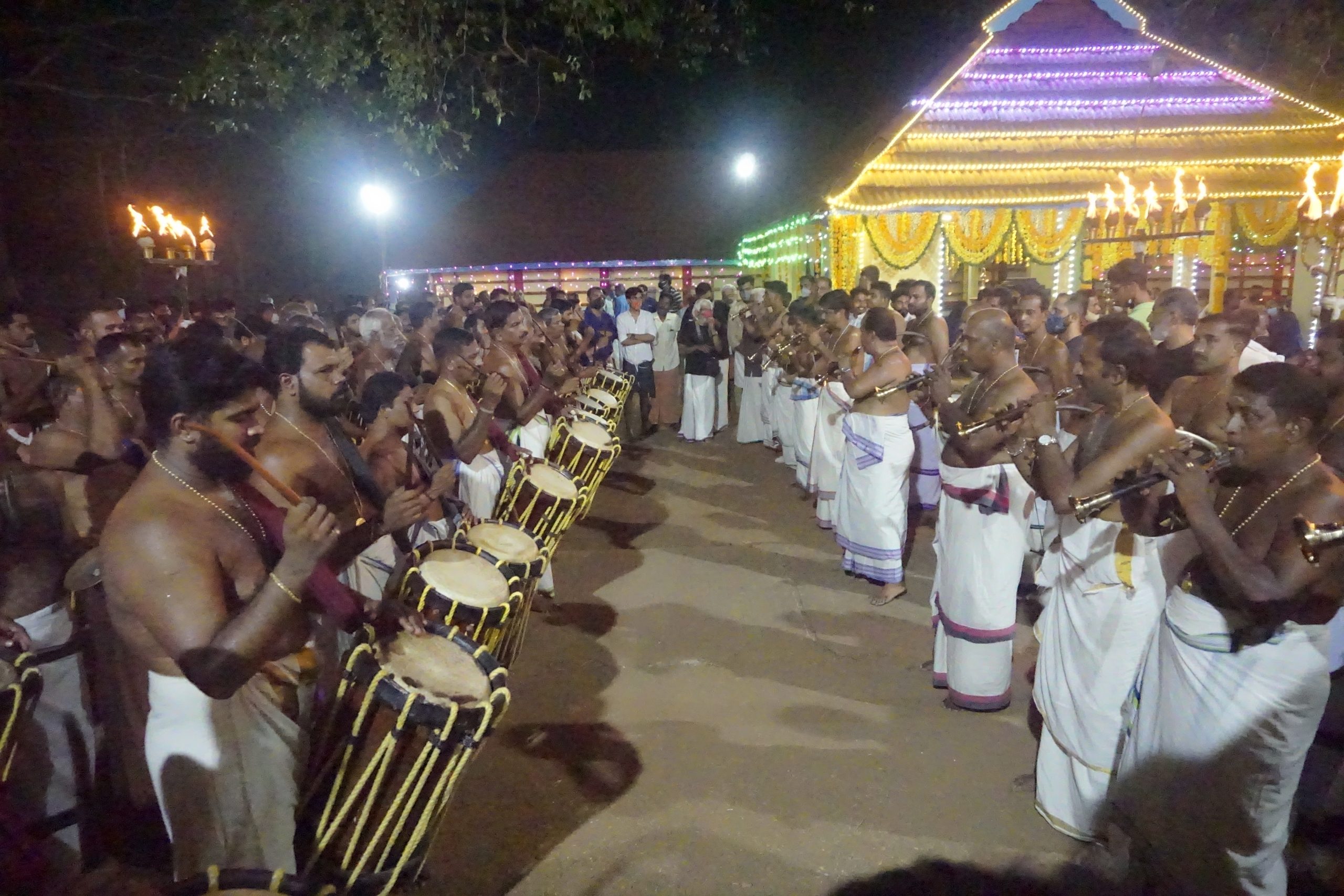


Urakathamma thiruvadi temple, Brahmakalasham at 9:00 AM, Ezhunnellippu at 7:30 PM, Sreebhoothabali, Panchari melam and Panchavadyam, 5 elephants

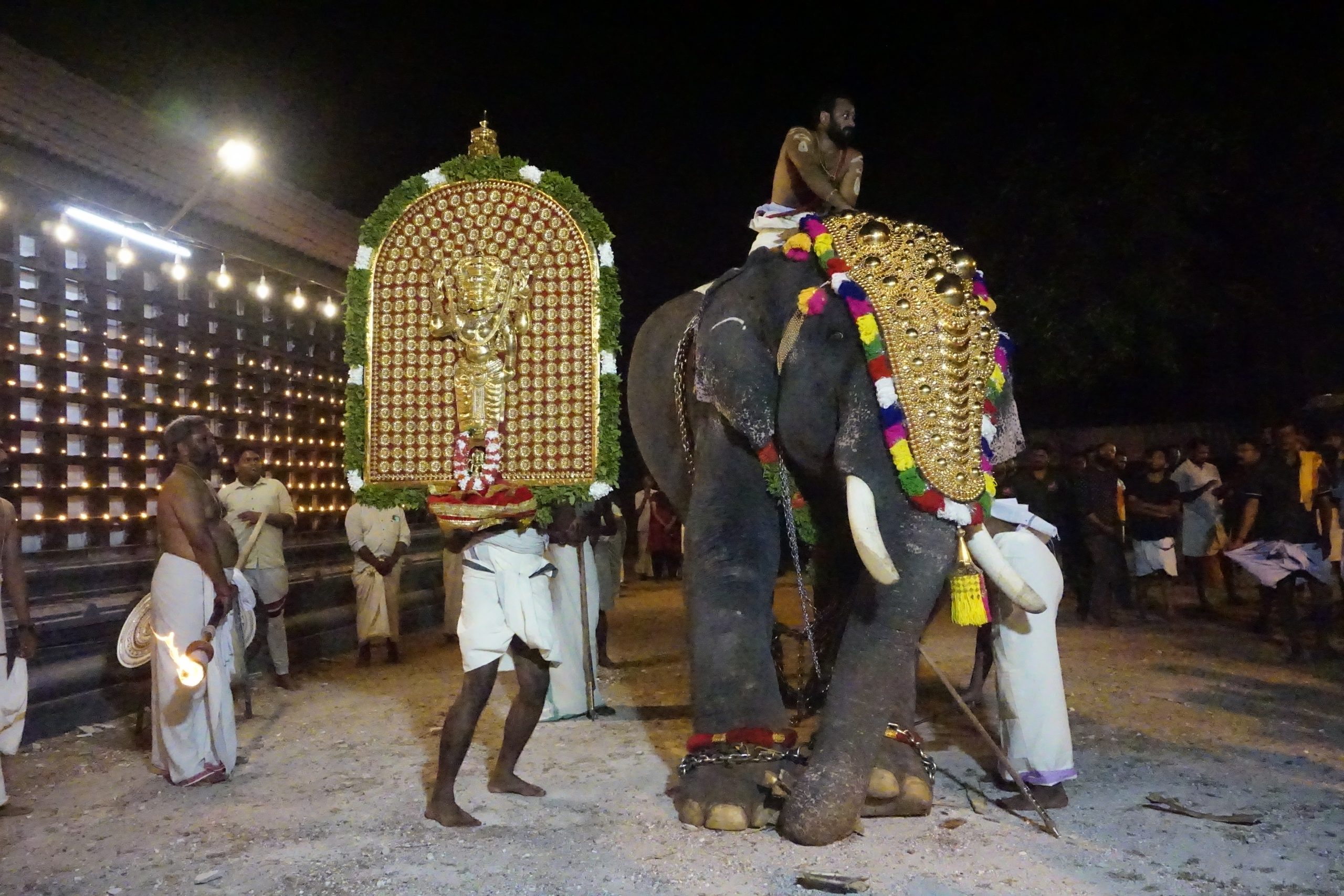
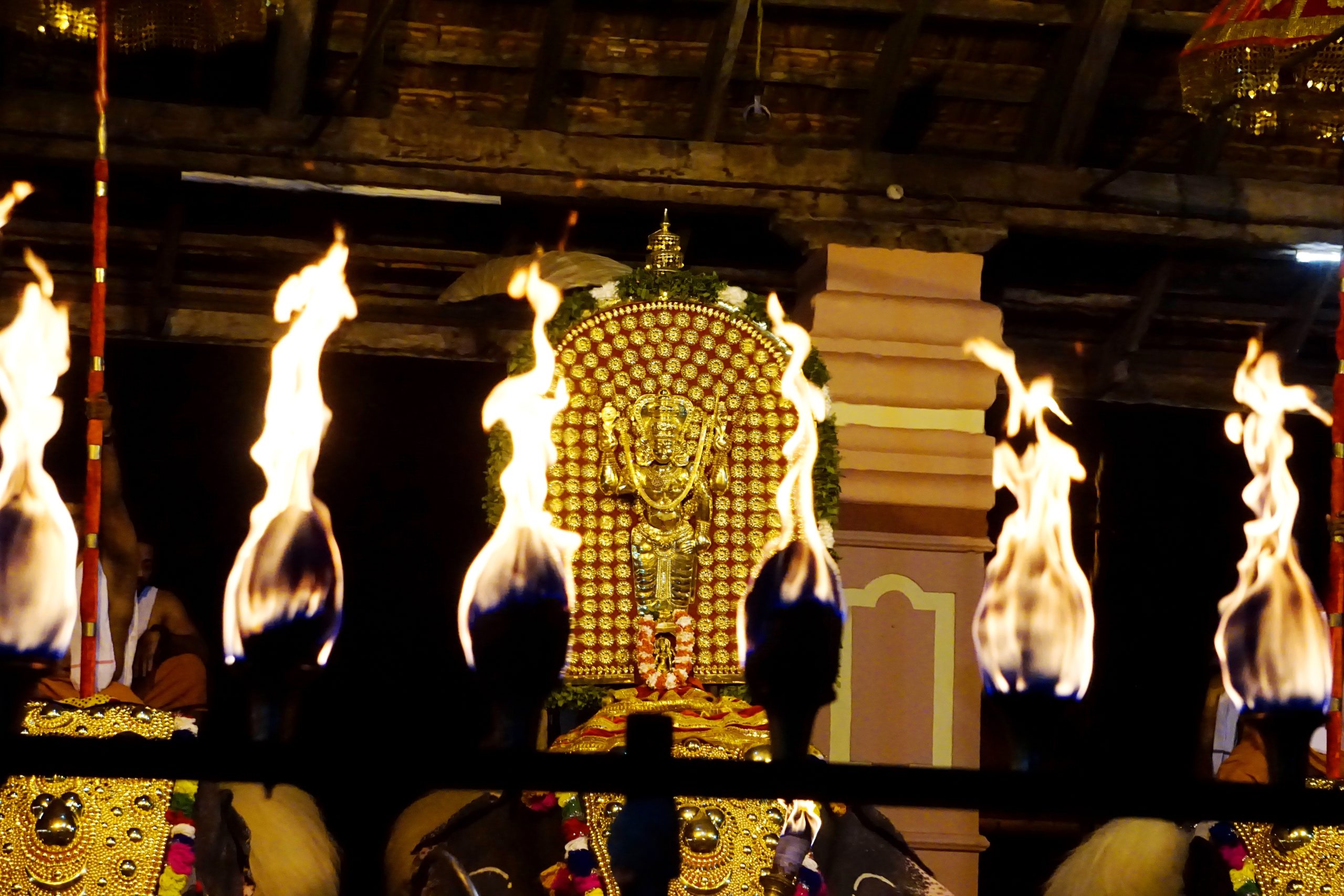

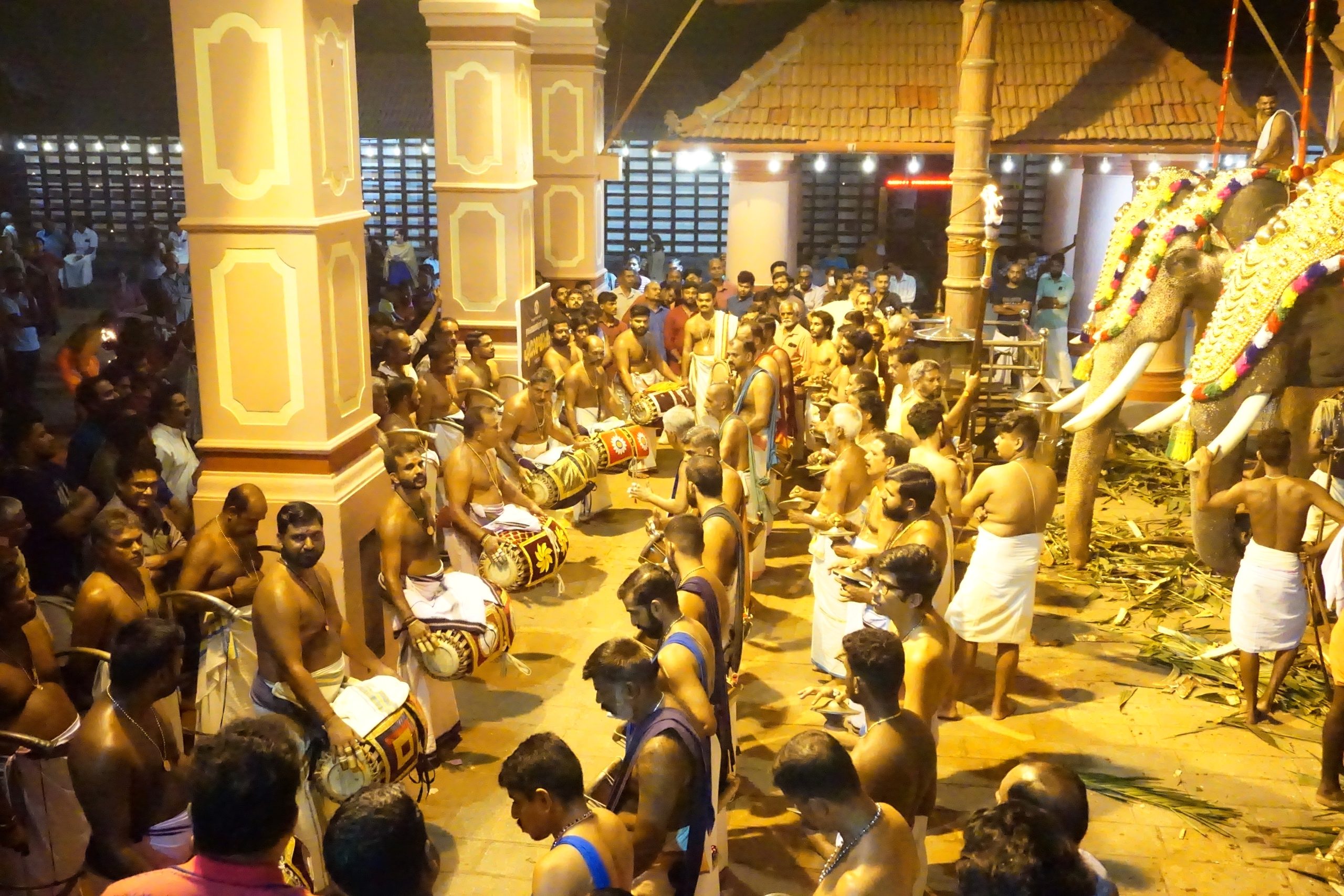


Cherpu Bhagavathy temple, 6:30 PM, Pandi melam, 7 elephants
Urakathamma thiruvdi temple, 9:00 PM, Pandi melam, 5 elephants
Thriprayar Sreeramaswami temple, 2:00 PM, Pandi melam, 5 elephants
Anthikkad Bhagavahy temple, 7:00 PM, Panchavadyam, 3 elephants
Choorakkod Bhagavathy temple, 3:30 PM, Pandi melam, 1 elephant
Edakunni Bhagavathy temple, 6:30 PM, Panchari melam, 3 elephants
Medamkulangara Sastha temple, 6:30 PM, Pandi and Panchari melam, 1 elephant
Aykunnu Bhagavathy temple, 6:00 PM, Pandi melam, 1 elephant
Thaikkattussery Bhagavathy temple, 9:00 PM, 1 elephant
Kodannur Sastha temple, 7:00 PM, Panchari melam, 1 elephant Nankulam Sastha temple, 2:00 AM (next day), 1 elephant
Mattil Sastha temple, 7:00 PM, Panchari melam, 1 elephant
Kaduppassery Bhagavathy, Chalakudy Pisharikkal Bhagavathy temples, 7:00 AM, no major melam, no elephant

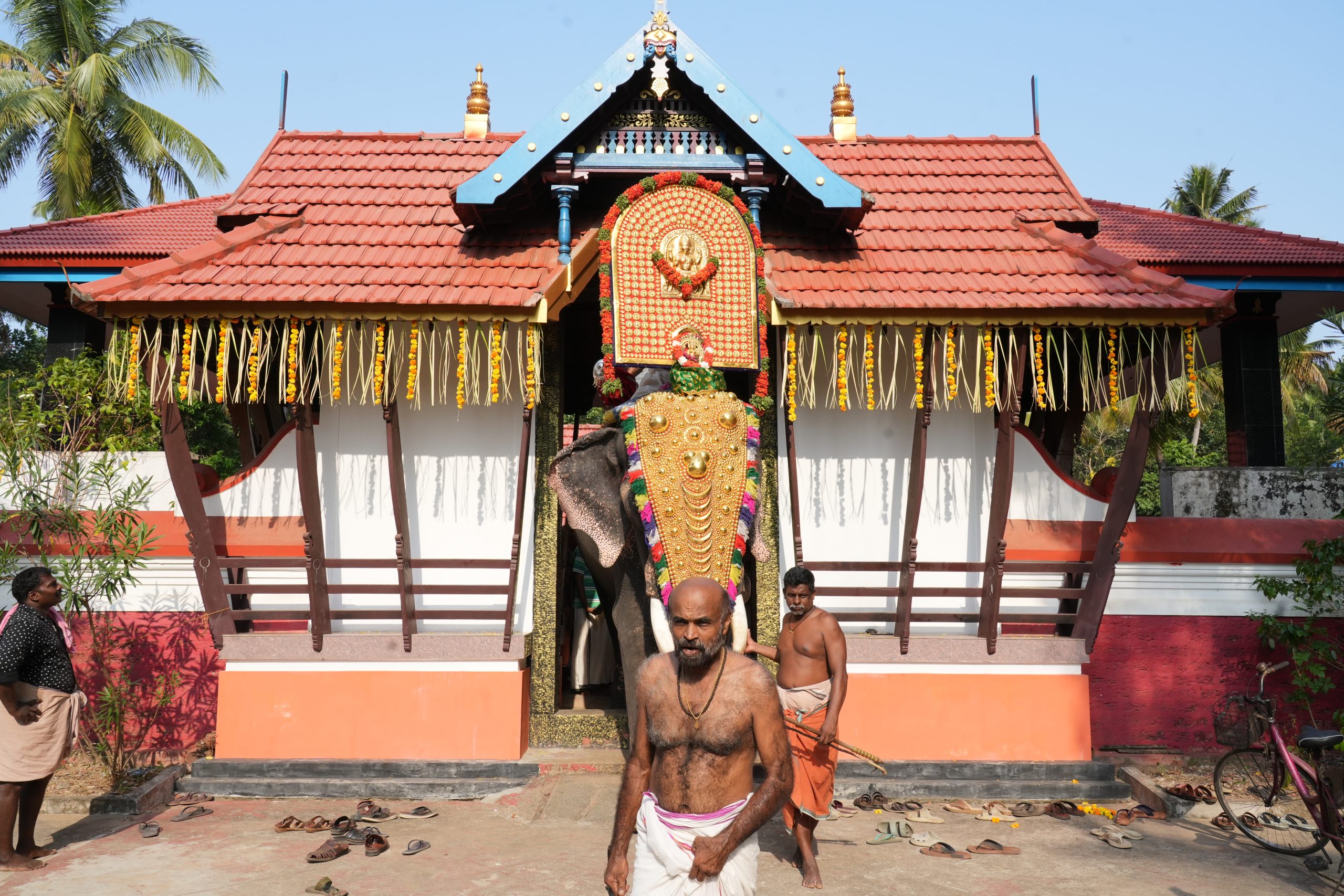


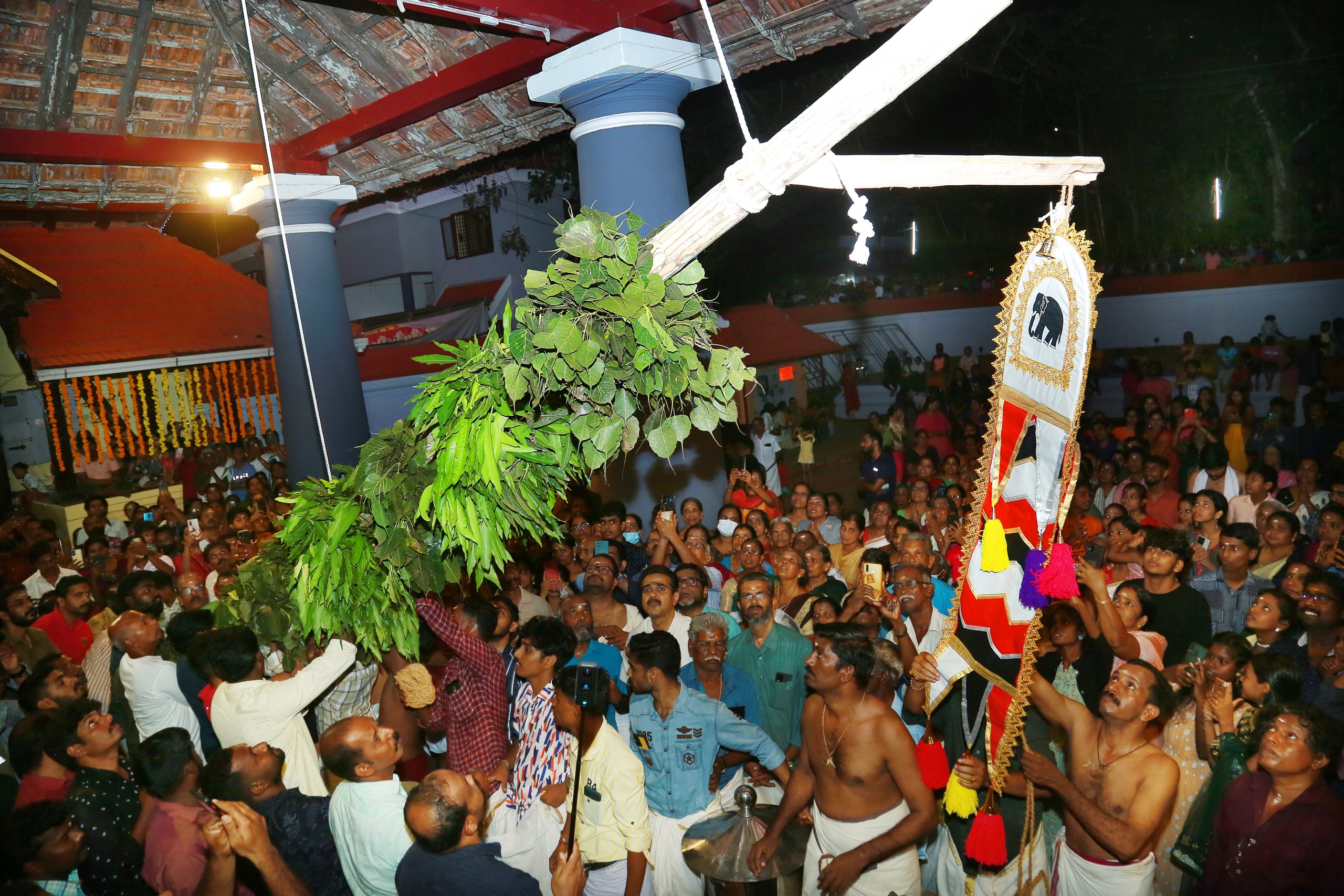


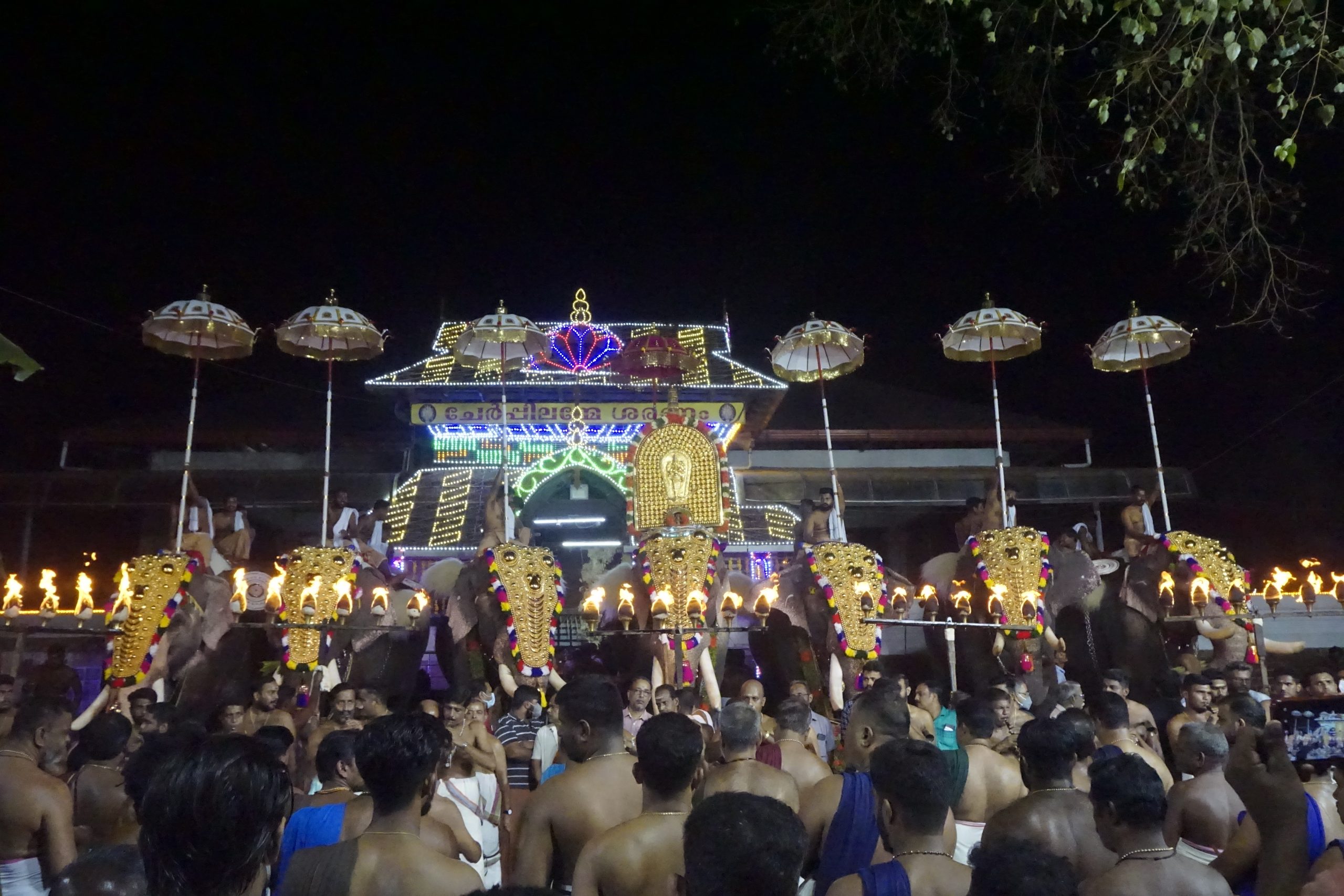


Chathakudam Sastha temple, Thiruvathira Purappadu, 9:00 PM, Thaikkattussery Bhagavathy and Chakkamkulangara Sasthavu also participate, Panchari melam, 7 elephants
Arattupuzha Sastha temple, Thiruvathira Vilakku, 3:00 AM (next day), Panchari melam, 5 elephnats
Kalleli Sastha temple, Thiruvathira Purappadu (8:00 AM), Nettissery Sastha temple (8:00 PM), Nankulam Sastha temple Thiruvathira Vilakku (3:00 AM next day), no major melam. 1 elephant each


Thaikkattussery Bhagavathy temple, 9:00 AM, Keli, Kuzhal pattu, Kombu pattu, Panchari melam, 5 elephants, Upacharam


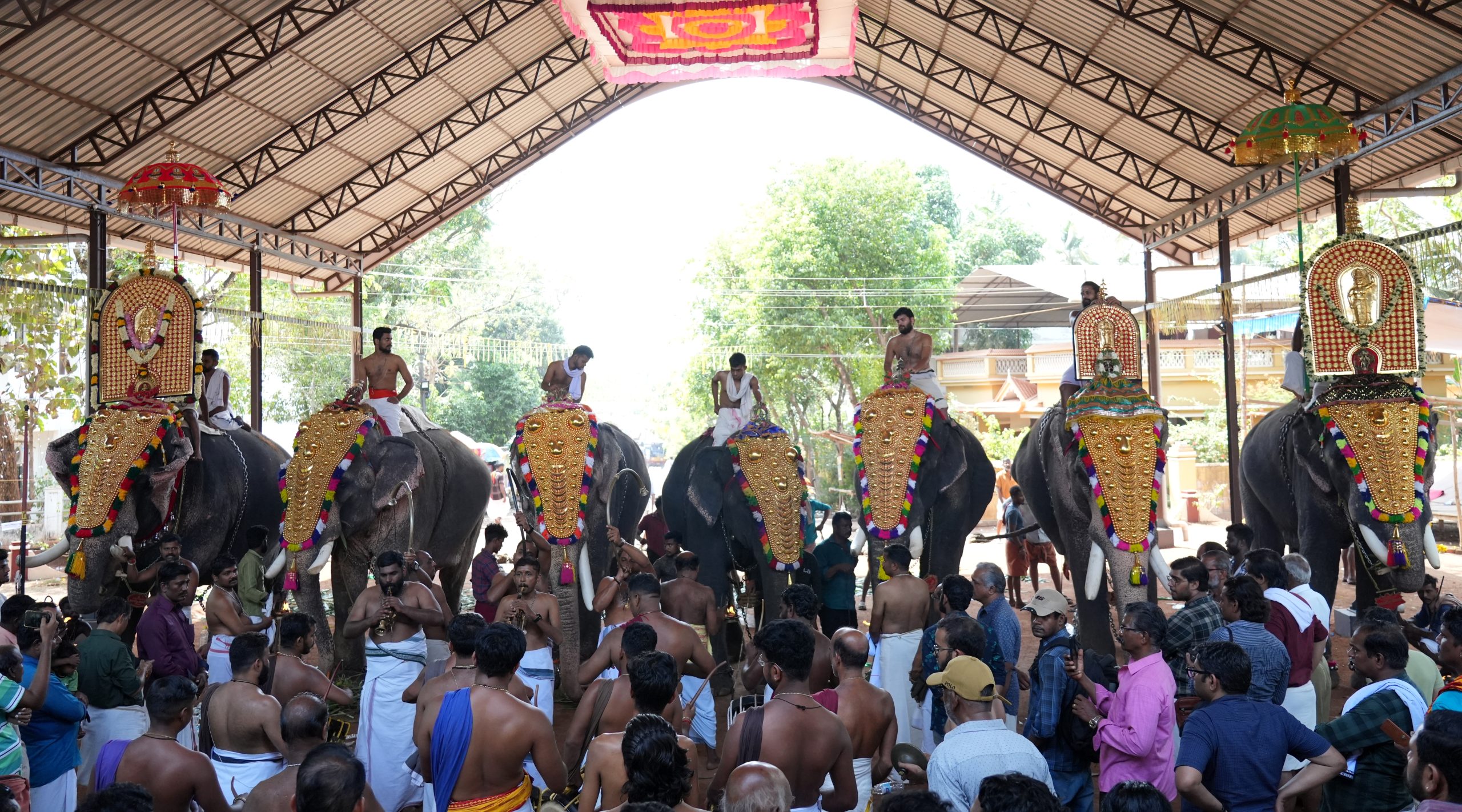

Chakkamkulangara Sastha temple, 1:00 AM (next day),Chakkamkulangara Sasthavu, Thaikkattussery Bhagavathy, Chittichathakudam Sasthavu, Chathakudam Sasthavu and Edakunni Bhagavathy participate, Panchari melam, Idakka pradhakshinam, Upacharam, 5 elephants


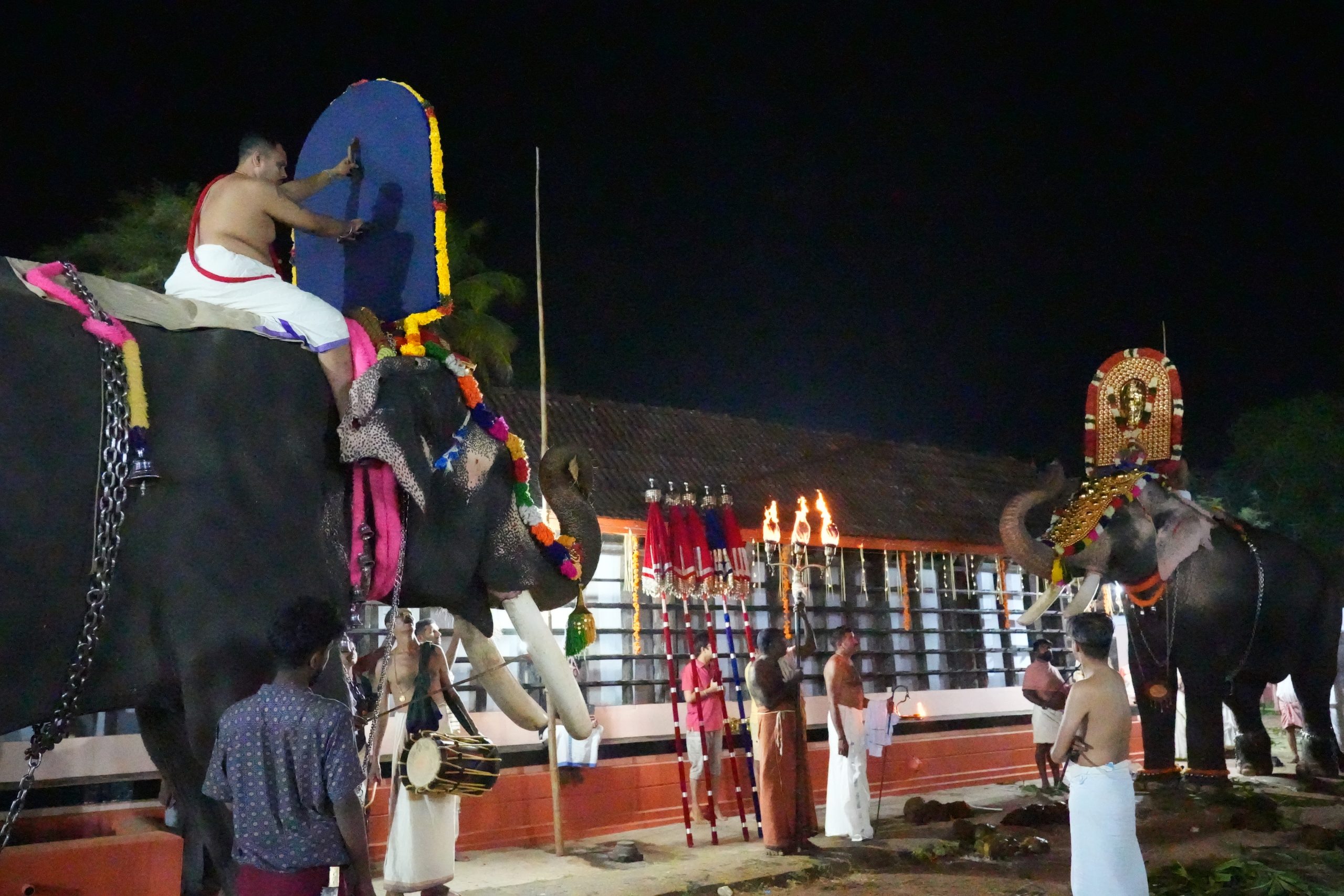

Pooyam day, at Peruvanam Mahadeva temple and Peruvanam Nadavazhi, 4:00 PM to 7:00 AM (next day)
Kadalassery Pisharikkal Bhagavathy (4:00 PM), Chathakudam Sasthavu along with Thottippal Bhagavathy (7:00 PM), Arattupuzha Sasthavu (6:30 PM), Urakathamma thiruvadi with Chathakudam Sasthavu (11:00 PM), Cherpu Bhagavathy along with Aykunnu Bhagavathy (4:00 AM next day) are major participants with 7 elephants ( 5 for Kadalassery Bhagavathy) and Panchari melam. Cherpu Bhagavathy has Panchavadyam (11:30 PM) and Pandi melam (2:00 AM next day) as well.
Vilakku,(12:30 AM next day), Nettissery Sasthavu, Kodannur Sasthavu, Nankulam Sasthavu, Edakunni Bhagavathy, Thaikkattussery Bhagavathy, Kodakara Poonilarkkavu Bhagavathy, Chakkamkulangara Sasthavu, Chittichathakudam Sasthavu, Mattil Sasthavu, Medamkulangara Sasthavu and Kalleli Sasthavu are participants, Panchari melam, 11 elephants
Arattu and Upacharam also part of Peruvanam poram


Aayilyam day, at Pidikkaparambu padam ( paddy field), Chathakudam sasthavu, (9:00) PM, Panchari melam, 9 elephants. Kadalassery Pisharikkal Bhagavathy, Urakathamma thiruvadi and Cherpu Bhagavathy have Aarattu (holy dip) in Pidikkaparambu temple pond.


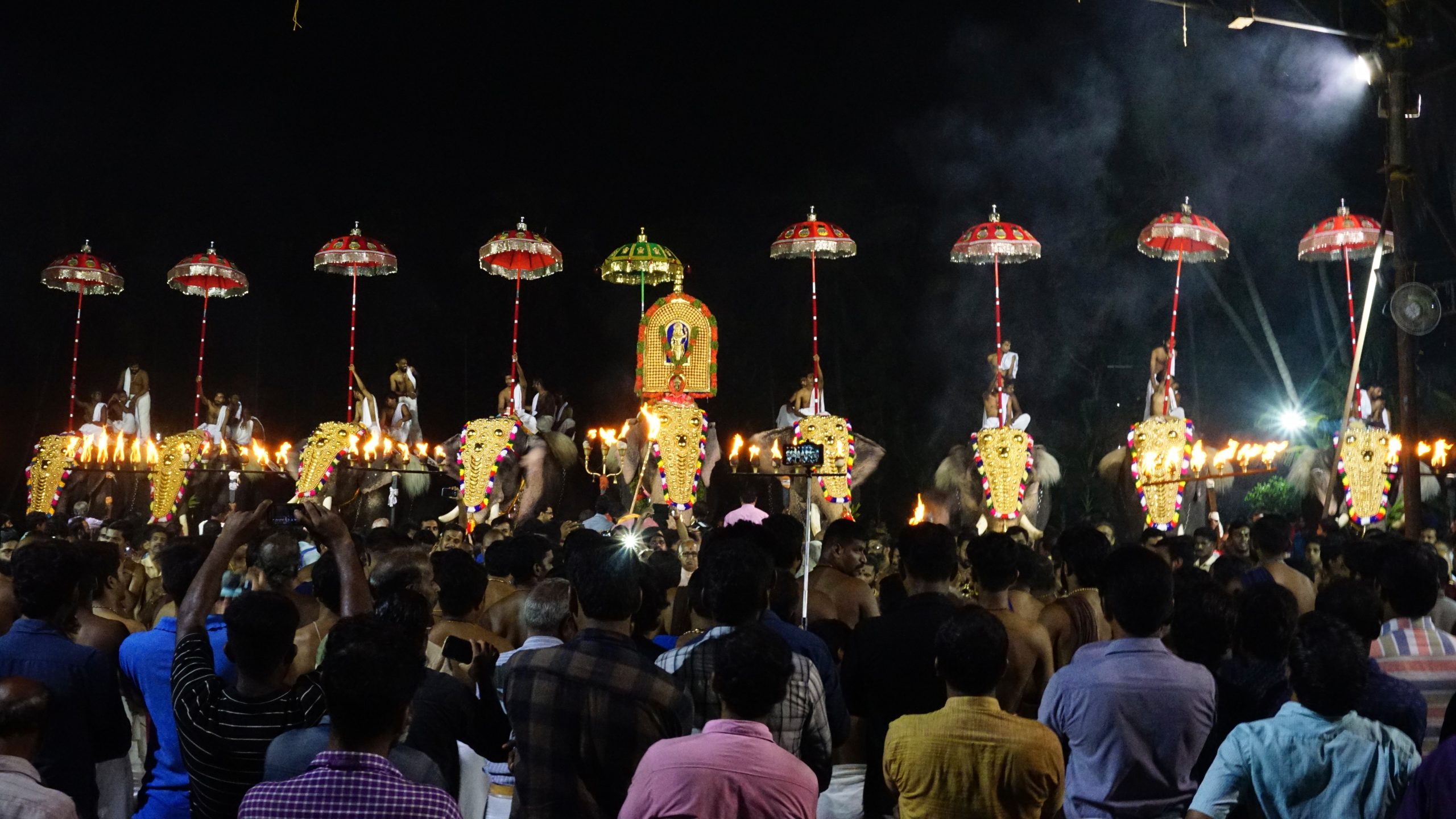

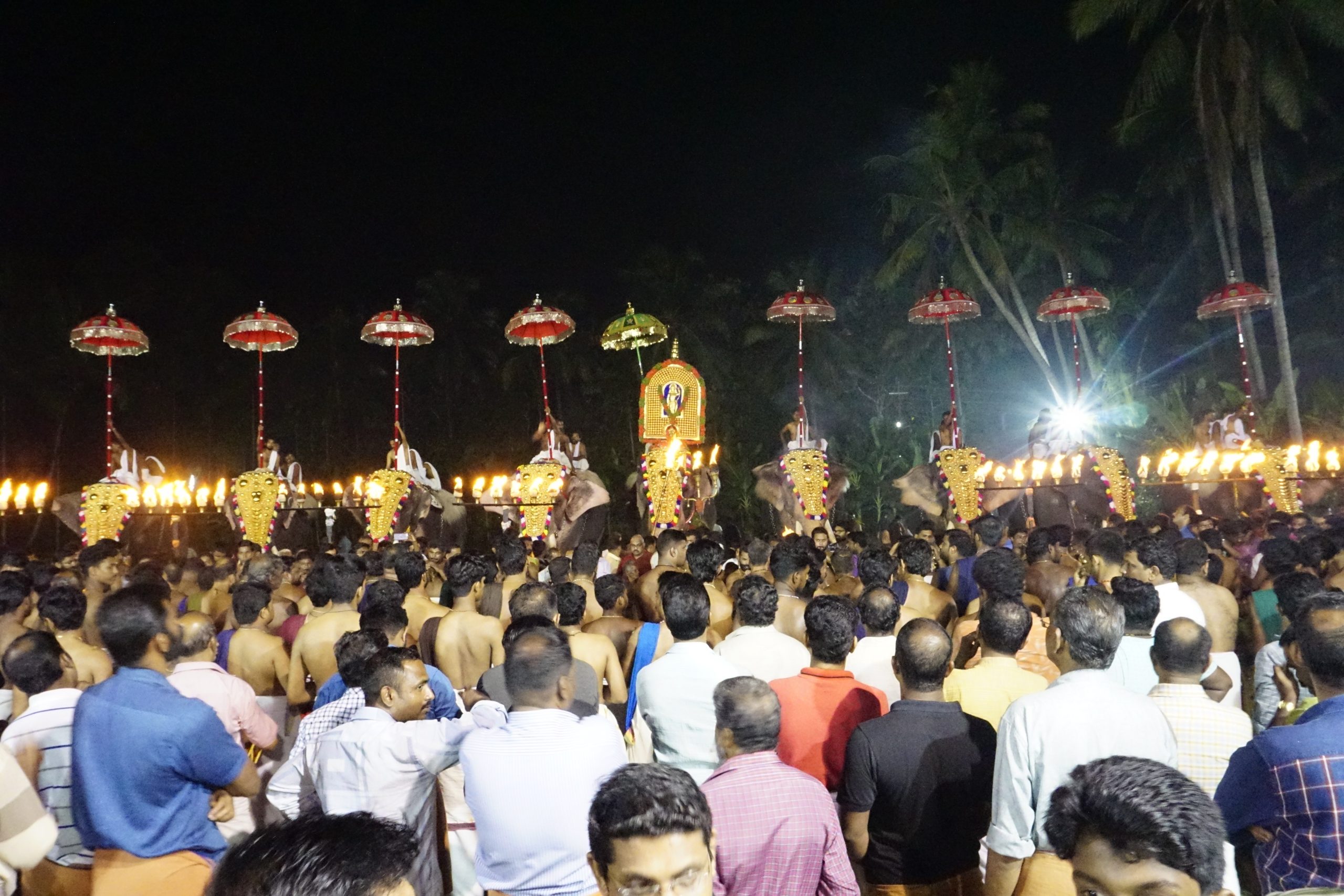


Makam day, at Pidikkaparambu padam (paddy field),
(8:00 AM), Nankulam Sasthavu, Kodannur Sasthavu, Edakunni Bhagavathy, Thaikkattussery Bhagavathy, Chakkamkulangara Sasthavu, Chitti chathakudam Sasthavu, Medamkulangara Sasthavu and Thottippal Bhagavathy participate.
Pidikkaparambu Aanayottam is different from other such occasions. Most of the other places where Aanayottam happens, only elepahants race without deity. But at Pidikkaparambu, elephants participate in Aanayottam with the dieties on their back. So the race is considered as happening among gods/godesses.


Makam day at Arattupuzha
Arattupuzha Sasthavu, (6:30 PM), Pandi melam, 9 elephants
Thottippal Bhagavathy, (7:00 PM), Pandi melam, 3 elephants
Patini sankh (Arattupuzha Sasthavu,Thottippal Bhgavathy and Urakathamma thiruvadi)


Pooram day at Thottippal, Thottippal Bhagavthy is the major participant with Panchavadyam and Panchari melam, 7 elephants
Arattupuzha Sasthavu and Chathakudam Sasthavu will have Idavazhi pooram. Other important rituals are Brahmani pattu, ‘Kappu Kettu’ and Upacharam. Thottippal Bhagavathy will have Upacharam with Chathakudam Sasthavu, Arattupuzha Sasthavu, Mattil Sasthavu, Chittichathakudam Sasthavu, Kadalassery Pisharikkal Bhagavathy and Thaikkattussery Bhagavathy.


Pooram day at Arattupuzha, (6:30 PM to 9:00 AM next day), Devamela (gathering of gods and godesses), 23 paticipants.
Starts (6:30 PM) with Arattupuzha Sastha’s poorm with 15 elephants and Panchari melam.
Chathakudam Sasthavu and Thottippal Bhagavathy ( 11:00 PM), Edakunni Bhagavathy (11:30 PM), Anthikkad Bhagavathy and Choorakkod Bhagavathy together (12:00 AM next day), Kodakara Poonilarkkavu Bhagavathy, Chalakudy Pisharikkal Bhagavathy and Kaduppassery Bhagavthy together (12:00 AM next day) have procession with Panchari melam. Nettissery Sastha’s pooram is at 11:30 PM with Pandi melam.
Thriprayar Thever’s Panchavadyam ia at 12:00 AM (next day) followed by Pandi melam. Then Cherpu Bhagavathy and Urakathammathiruvadi along with Chathakudam Sastha join Thriprayar Thevar for the great event of Devamela called ‘Kootti ezhunnellippu’ (5:00 AM next day) with 61-71 elephants. All the godesses and Thriprayar Thevar will have Arattu (holy dip) at Mandharam kadavu of Arattupuzha river. Then Upacharam of Arattupuzha Sasthavu with all other participating 22 gods/godesses.


Uthram Vilakku at Edakunni Bhagavthy temple (12:00 AM next day), Edakunni Bhagavathy, Nankulam Sasthavu, Chakkamkulangara Sasthavu, Chittichathakudam Sasthavu and Thikkattussery Bhagavathy are the participants. Panchari melam, 5 elephants.
At Thriprayar Sreeramaswami temple (8 PM), Brahmanippattu and Then the Ezhunnellippu with 5 elephants and Panchavadyam. Aarattu at Sethukulam. Pandimelam at Padippurakkal padi. Then melam, keli and pattu at Thanthri madom padi. Procession inside the temple with 7 elephants and Panchari melam, Idakka pradakshinam (2:00 AM, next day)
At Mattil sastha temple (7:00 PM), Panchari melam. Choorakkod Bhagavathy temple (8:30 PM), Pandi and Panchari melam. Anthikkad Bhagavathy temple (7:00 PM), Aykunnu Bahagavathy temple (together with Kodannur Sastha). 9:30 PM.
Uthram Pattu at Urakathamma thiruvadi, Chalakudy Pisharikkavu, Kaduppassery Bhagavathy, Cherpu Bhagavathy, Kadalassery Pisharikkal and Thottippal Bhagavathy temples.
Kodikuth (knocking down the flagpole) at Kodakara Poonilarkkavu, Chalakudy Pisharikkavu and Kalleli Sastha temples.
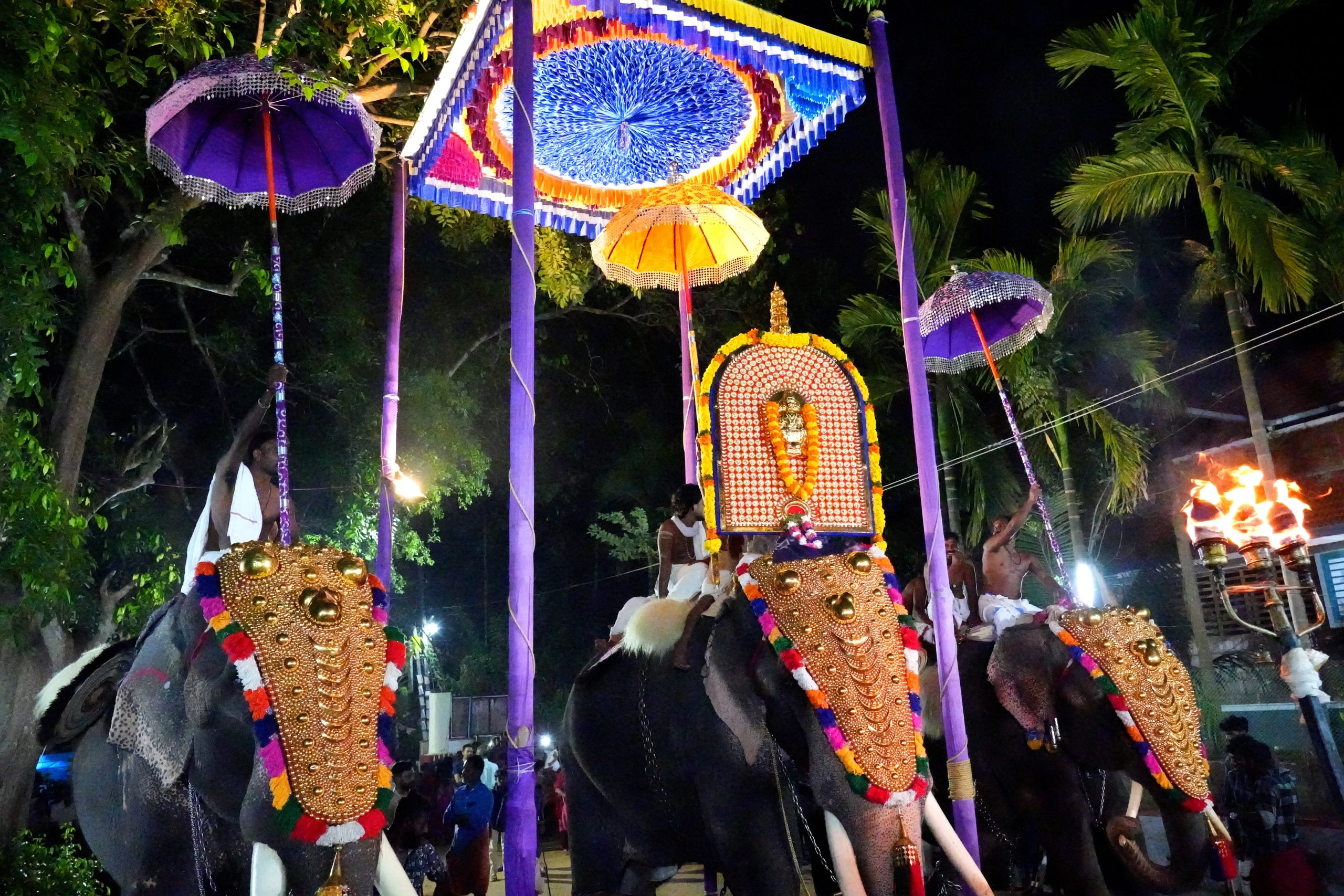


Gramabali is performed as part of the Peruvanam-Arattupuzha Pooram on Utram day. The current Gramabali has two parts. One is performed by the Arattupuzha Shastha alone. The other is when the Chathakkudam Shastha rides his own elephant with the Thiruvullakkavu Shastha seated on it. Both are performed on Utram day.
Arattupuzha Sasthavu’s gramabali ritual starts with Bali thooval at Villunnithara, perenial water bodies, temples, main roads, prime trees and four directions representing boundaries of Gramam. Thevar Road, Kottamkulangara, Maimbilly, Urakam, Kidaykulangara, Ayinikadu, Muthulliyal, Cherpu Bhagavathy temple, Mekkavu temple, Thayamkulangara, Peruvanam Mahadeva temple, Thiruvullakkavu, Vallachira, Chathakudam, Kadalassery Piaharikkal, Mulangu and Thottippal, all these places are covered and bali tooval performed at main roads, junctions, sacred trees, water bodies and temples.
There is a belief that the purpose of Grambali is to eradicate evil and maintain the cleanliness. Grambali can also be said to be the purification of the polluted village after the Pooram which lasts for several days. Another concept is that the ancestors maintained the forests and the villages in the right proportion. In the past, ‘Sarppakkavu’ were seen in most of the fields. Trees were protected everywhere. Those forests were the abode of the Devathas (deities). When they were destroyed, the deities moved to the prime trees, water bodies and temples. That is why Gramabali is held in places like these.
Chathakudam Sasthavu together with Thiruvullakkavu Sasthavu goes for gramabali at many locations like Pidikkaparambu, Kadalassery Pisharikkal, Mulangu, Thottippal, Arattupuzha, Thevar road and Urakam. The last Bali thooval is in front of Irattayappan at Peruvanam Mahadeva temple. Bali thooval points include sacred trees, ponds, river, junctions and temples. After Gramabali by 5:00 AM (next day) Irakkiezhunnellippu for both the Sathas at Peruvanam Thodukulam Kulappura.


Atham Naal is the day when the Pooram flag is lowered. All the flagpoles that were erected at the beginning of the Pooram, are knocked down by elephants. The event is called Kodikuth. With this, all the rituals of the Pooram end. Kodikuth takes place in most of the temples on Atham day except Kodakara Poonilarkkavu, Chalakudy Pisharikkavu and Kalleli Sastha temples where it is on Uthram day. Prior to Kodikuthu, in most of the temples a procession with percussion is held and it is called ‘Kodikuthu pooram’. Urakathammathiruvadi, Kadalassery Pisharikkal Bhagavathy, Chathakudam Sasthavu and Thiruvullakkavu Sasthavu together they have Pakal pooram at Peruvanam Mahadeva temple and when arrive at own temple, Kodikuth takes place. Cherpu Bhagavathy, Nettissery Sasthavu, Nankulam Sasthavu, Medamkulangara Sasthavu and Chittichathakudam Sasthavu temples have elaborate Kodikuth pooram.


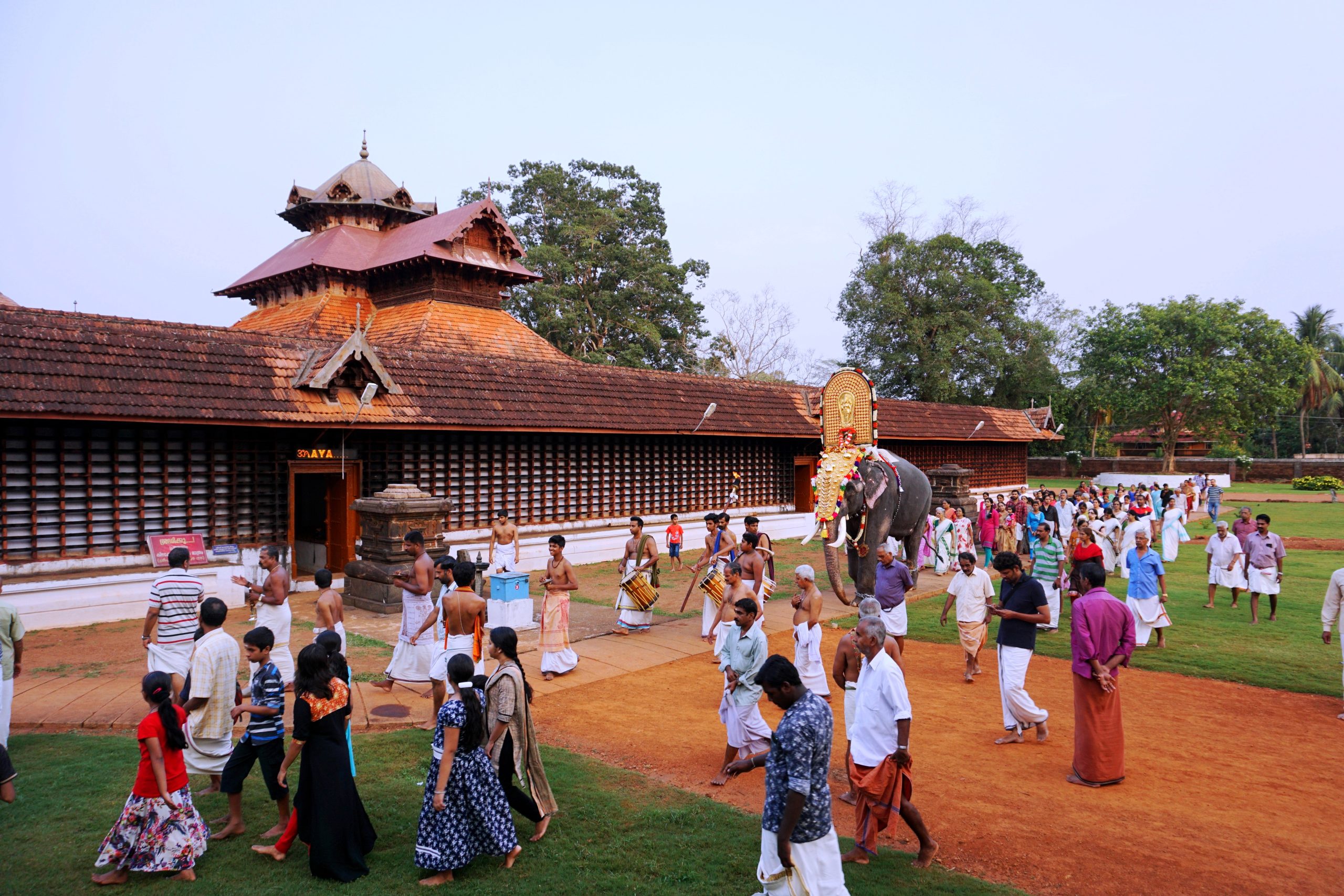
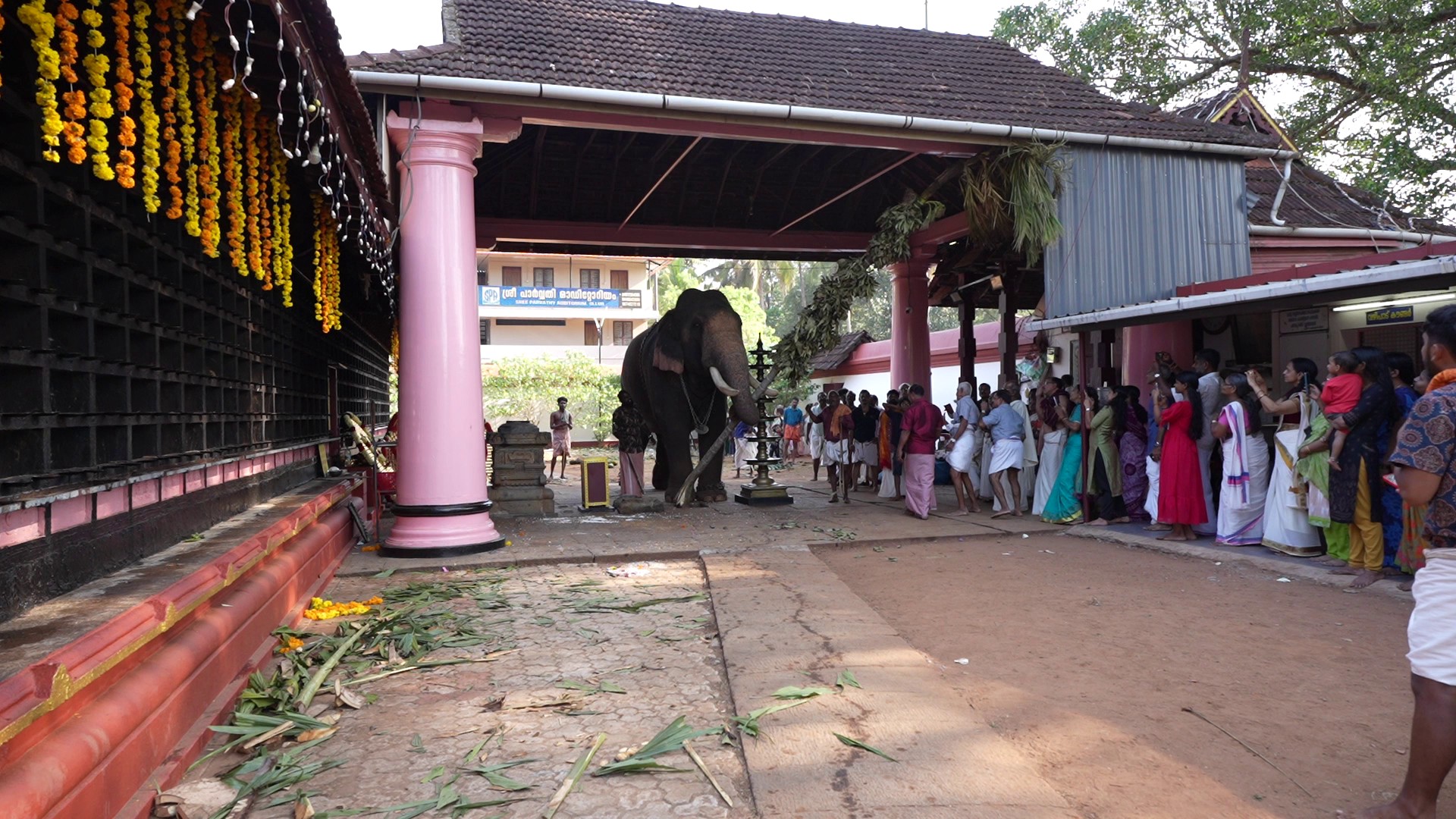


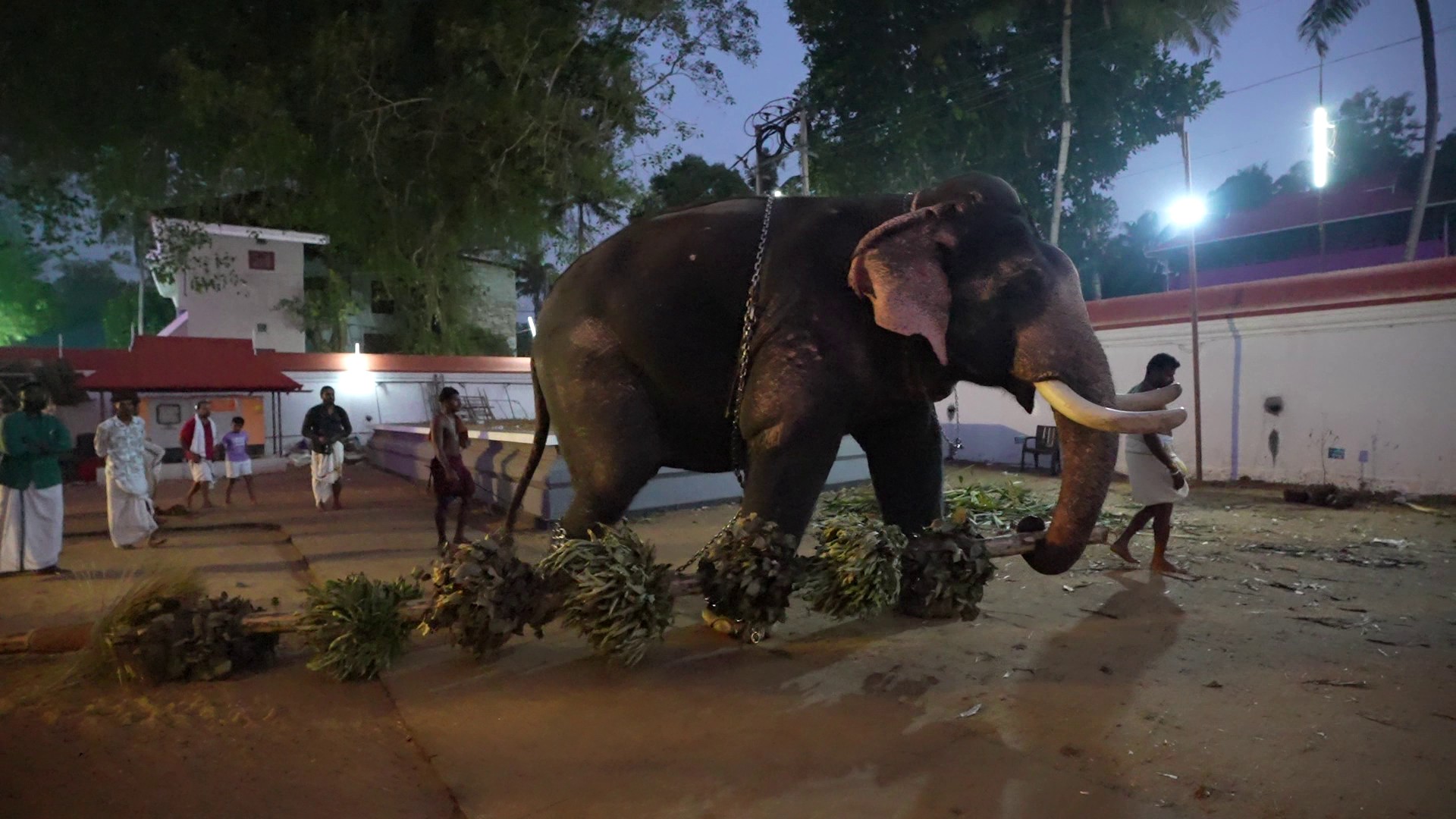


Chalukkuthal, Chalidal, Krishiyidam sandharshikkal (visiting the farmland) rituals.
Peruvanam-Arattupuzha Pooram is not just a festival, nor merely the festival of all festivals; it is a vibrant celebration woven into the very fabric of social life! Held in the month of Meenam, just before the onset of the monsoon, it comes at a time when the land is prepared for sowing, with ploughing in full swing—an essential part of the agricultural cycle, which was historically centered around rice cultivation. One of the most significant rituals in the Thriprayar Thevar’s Pooram is ‘Nilamuzhal’ or Chalukkuthal where the temple elephant uses its tusks to furrow the ground three times, symbolizing the preparation of the land. Similar rituals are observed in many other temples. Another key ceremony is ‘Nilam Nokkal’ or ‘Muthal Nokkal’, where the deity is believed to oversee the fields, marking the divine inauguration of the agricultural season. Example is Nankulam Sasthavu, on Atham day visits own land and paddy field. On Makeeram day Cherpu Bhagvathy used to visit Karikkulam, where a ritual called ‘Katta Kuthal’ is performed. Similarly on Punartham day Chathakudam Sashavu goes for ‘Chalidal’ (making furrows in the soil) at Marathakkara paddy field. Arattupuzha Sasthavu visits Thekke madom, Padinjare Madom and Vadakke Madom on Makam day. These are the places where equipments for agriculture and food grains were stord during historical time. ‘Chalukkuthal’ takes place in all these places. While coming back from Arattupuzha after pooram, Urakathamma thiruvadi symbolically observes ‘Chalukkuthal’ ritual near Panamkulam on the Thevar Road. These rituals serve as reminders of the profound influence that Pooram once had on social life, deeply connected to the community’s agricultural practices and underscores the festival’s deep ties to the land and its cultivation.
In this context, the processions of the deities and the associated rituals can be seen as part of a broader mission for the well-being of the land and its people. The Pooram cannot be viewed simply as a festival; it is a celebration shaped by the daily lives and labor of the community.


